By Zapin MNL Style DeskPublished 6–8 minute read
“They will break in” is often used as if every material and pressure point changes in the same way. A better approach distinguishes minor familiarity from pain, compression and structural mismatch.
A new shoe should fit properly from the start. Do not use pain as a test method or irreversible outdoor wear as the first experiment.
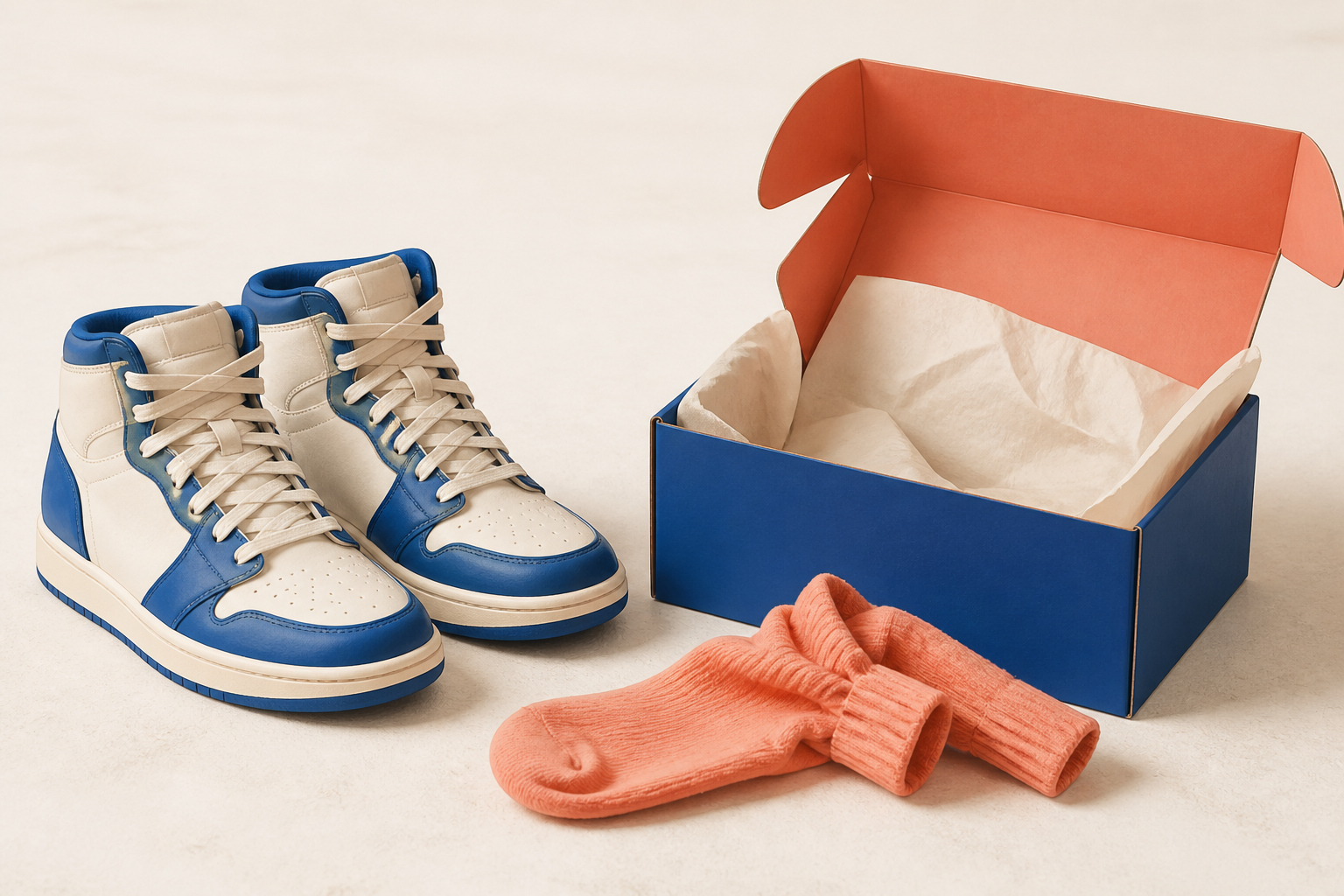
Retire the universal break-in story
East London NHS guidance states that shoes should fit properly from new and should not need breaking in. That does not mean every shoe feels identical on minute one, but it rejects pain as a normal route to fit.(East London NHS footwear leaflet)
Different uppers, linings, seams and sole units respond differently. A vague promise about future softness cannot prove that length, width or shape will become suitable.
Separate unfamiliar from harmful
A new collar texture or different sole feel may be unfamiliar. Pinching toes, numbness, burning, sharp rubbing or a foot forced out of alignment are stronger stop signals, not challenges to endure.
Check both feet because the larger or differently shaped foot may reveal the mismatch first. Remove the shoes and inspect for redness after a brief indoor try-on.
Protect the return option
Read the policy before trying the pair. Use a clean indoor surface, keep packaging and do not apply cleaners, heat, stretchers or adhesive pads until you are certain the shoes will stay.
Document the product state and concern promptly. A reversible lacing adjustment is different from altering the item in a way that obscures the original fit or affects eligibility.
Do not ask lacing to change the last
Lacing can redistribute hold and accommodate small volume differences, but it cannot lengthen a shoe or move a narrow toe shape. If loosening creates heel slip while tightening compresses the forefoot, the underlying shape may be wrong.
An insert can also change space in several directions. Use prescribed devices as advised and check that the shoe was designed to accommodate them.
Escalate recurring problems appropriately
If many styles cause pain or if there is a medical condition, injury, persistent swelling or skin damage, seek a qualified foot-health professional. General editorial guidance is not an individual assessment.
For a straightforward retail mismatch, return or exchange is a successful decision, not a failure to “wear the shoe in.” The goal is repeatable comfort and use.